

Table of Contents What Is the Software Development Lifecycle? What Are the Stages of the Software Development Lifecycle? Why Is the Software Development Lifecycle Important for Vancouver Businesses? How Do Agile and DevOps Fit into the Software Development Lifecycle? What Are the Best Practices for Implementing SDLC in Vancouver? What Are Common Challenges in the […]
Table of Contents
- What Is the Software Development Lifecycle?
- What Are the Stages of the Software Development Lifecycle?
- Why Is the Software Development Lifecycle Important for Vancouver Businesses?
- How Do Agile and DevOps Fit into the Software Development Lifecycle?
- What Are the Best Practices for Implementing SDLC in Vancouver?
- What Are Common Challenges in the Software Development Lifecycle?
- How Can Businesses Overcome Challenges in the SDLC?
- Key Takeaways on the Software Development Lifecycle in Vancouver
- FAQ
What Is The Software Development Lifecycle?
The Software Development Lifecycle (SDLC) is a structured process used to develop software efficiently. It consists of six main phases: planning, design, development, testing, deployment, and maintenance. Each phase is essential for creating effective software solutions.
In Vancouver, understanding the SDLC is vital. It aligns with the city's focus on innovation and sustainability. Local companies are increasingly adopting Agile methodologies. These methods allow teams to adapt quickly to changes, which is crucial in a fast-evolving tech environment. Additionally, DevOps practices are gaining traction in Vancouver. They enhance collaboration between development and operations teams, reducing overall development time. These modern approaches help local businesses stay competitive and responsive to market demands, making the SDLC essential for success in Vancouver's tech scene.
What Are the Stages of The Software Development Lifecycle?
The Software Development Lifecycle (SDLC) consists of six main phases: planning, design, development, testing, deployment, and maintenance. Each phase plays a crucial role in creating effective software solutions.
1. Planning: In this phase, teams define project goals and gather requirements. This sets the foundation for the entire project.
2. Design: This phase involves creating system architectures and user interfaces. Developers outline how the software will function.
3. Development: Actual coding occurs in this phase, transforming designs into a working product.
4. Testing: This phase ensures that the software is free of bugs and meets the specified requirements.
5. Deployment: After successful testing, the software is released to users.
6. Maintenance: This final phase involves ongoing support and updates to fix issues and improve functionality.
Agile methodologies enhance this process by allowing teams to adapt quickly to changes. This flexibility is crucial in today’s tech environment. Additionally, DevOps practices can reduce development time by integrating development and operations. As a result, Vancouver's tech scene is increasingly adopting these modern approaches to optimize the SDLC and meet local market demands.
Why Is The Software Development Lifecycle Important for Vancouver Businesses?
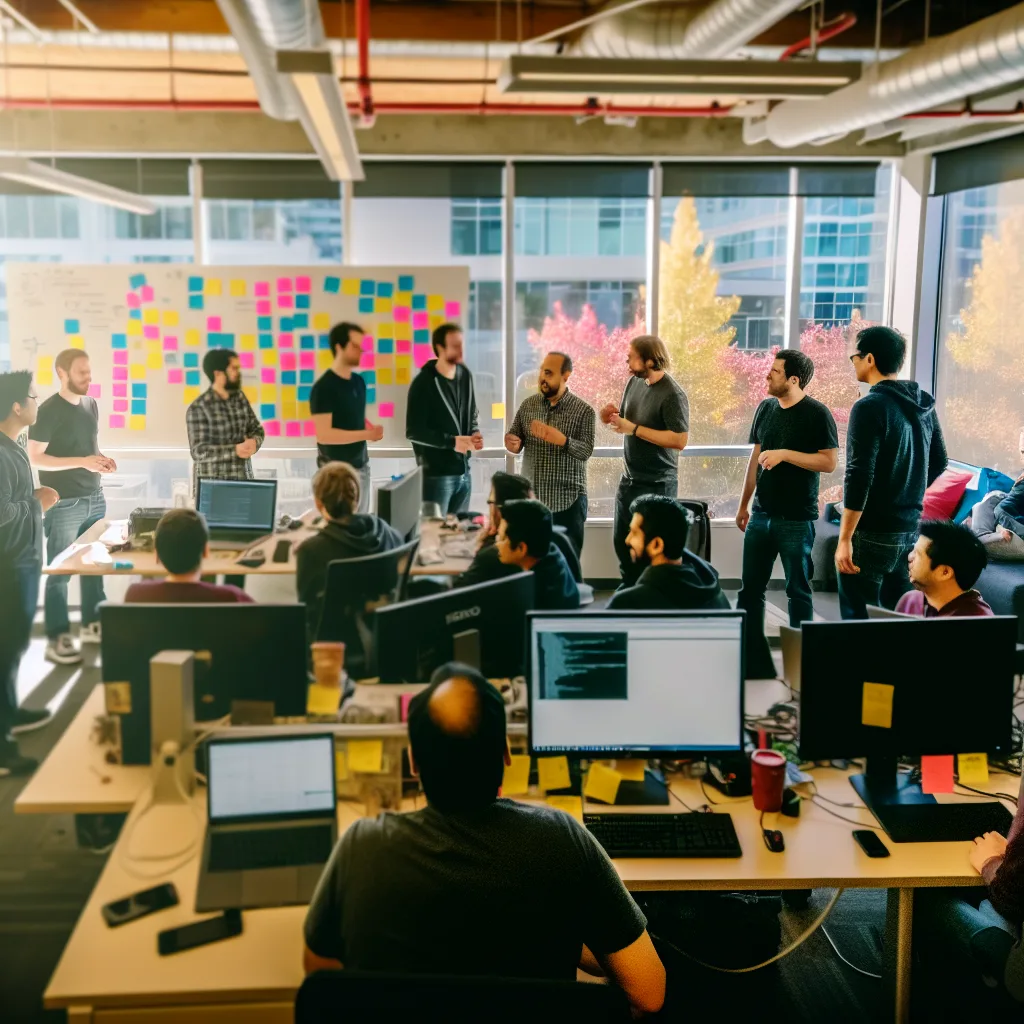
The Software Development Lifecycle (SDLC) is crucial for Vancouver businesses as it enhances efficiency, assures quality, and improves cost-effectiveness. By following the six main phases—planning, design, development, testing, deployment, and maintenance—companies can streamline their processes and deliver better products.
Agile methodologies, which are popular in Vancouver's tech scene, allow teams to be more flexible and adapt quickly to changes. For instance, local firms like Hootsuite have successfully implemented Agile practices. This enables faster iterations and improved responsiveness to customer feedback. Additionally, DevOps practices integrate development and operations, significantly reducing development time. Companies like Unbounce benefit from faster deployment cycles, enhancing their overall efficiency.
In a competitive market like Vancouver, understanding and implementing the SDLC helps deliver quality software. It supports local businesses in staying ahead. By focusing on structured processes, companies can ensure they meet both customer needs and industry standards, which is essential for long-term success.
How Do Agile and DevOps Fit into The Software Development Lifecycle?
Agile methodologies and DevOps practices play crucial roles in enhancing The Software Development Lifecycle (SDLC). Agile provides teams with the flexibility to adapt quickly to changes, streamlining the development process. This adaptability is vital in Vancouver's fast-paced tech environment, where local companies increasingly adopt Agile practices to meet dynamic market demands.
DevOps practices further improve the SDLC by integrating development and operations. This integration reduces development time and enhances overall efficiency. In Vancouver, the local adoption of DevOps transforms how teams collaborate, breaking down silos between departments. As a result, companies can deliver high-quality software faster and more efficiently. The combination of Agile and DevOps allows Vancouver businesses to innovate while maintaining a focus on customer needs and sustainability. This makes them better equipped to thrive in a competitive landscape.
What Are the Best Practices for Implementing SDLC in Vancouver?
To effectively implement The Software Development Lifecycle (SDLC) in Vancouver, businesses should focus on collaboration, continuous feedback, and utilizing local tools and resources.
The SDLC consists of six main phases: planning, design, development, testing, deployment, and maintenance. By fostering collaboration among teams, companies can streamline these phases and ensure that everyone is aligned on project goals. Agile methodologies, which

allow for flexibility in development processes, enable teams to adapt quickly to changes. This adaptability is particularly suitable for the dynamic tech landscape in Vancouver. Continuous feedback throughout the SDLC helps identify issues early, reducing the risk of costly adjustments later in the project.
Moreover, integrating DevOps practices can significantly enhance efficiency by merging development and operations teams. This integration reduces development time and fosters a culture of collaboration. Local tools and resources, such as community workshops and networking events, can further support teams by providing relevant insights and connections within Vancouver's tech ecosystem. By embracing these best practices, businesses can optimize their SDLC processes and better meet the demands of their customers.
What Are Common Challenges in The Software Development Lifecycle?
The Software Development Lifecycle (SDLC) faces several common challenges, including communication issues, scope creep, and resource constraints. Effective communication is crucial; without it, teams can misinterpret requirements or overlook critical feedback. Scope creep occurs when project requirements increase without corresponding adjustments in resources or timelines. This can derail projects, leading to delays and budget overruns. Resource constraints further complicate the SDLC, as teams may lack the necessary skills or personnel to meet project demands.
Local case studies in Vancouver illustrate these challenges vividly. For instance, a tech startup faced significant delays due to poor communication between developers and stakeholders, resulting in missed deadlines. Agile methodologies have emerged as a solution, allowing teams to adapt quickly to changes and better manage project scopes. DevOps practices also contribute by integrating development and operations, enhancing collaboration and efficiency, ultimately reducing development time. Addressing these challenges is essential for successful software development in Vancouver's competitive market.
How Can Businesses Overcome Challenges in the SDLC?
Businesses can overcome challenges in The Software Development Lifecycle (SDLC) by embracing Agile methodologies, effective communication, and project management tools. The SDLC consists of six main phases: planning, design, development, testing, deployment, and maintenance. Agile methodologies allow teams to adapt quickly to changes, making it easier to address issues as they arise.
Effective communication is essential throughout the SDLC. Teams should use project management tools to track progress and facilitate collaboration. Tools like Jira or Trello can streamline workflows, ensuring everyone is aligned and aware of their responsibilities. This approach minimizes misunderstandings and helps teams respond promptly to feedback.
Local success stories can also serve as valuable learning resources. For instance, Vancouver companies that have integrated DevOps practices have seen significant reductions in development time. By blending development and operations, these companies enhance efficiency and deliver higher-quality products. Sharing these experiences can inspire and guide others in the community to adopt similar practices.
Key Takeaways on The Software Development Lifecycle in Vancouver
The Software Development Lifecycle (SDLC) is crucial for structured and efficient software development. It comprises six main phases: planning, design, development, testing, deployment, and maintenance. These phases guide teams in delivering high-quality products.
Agile methodologies enhance the SDLC by allowing teams in Vancouver to adapt quickly to changes, improving flexibility and responsiveness. Additionally, DevOps practices integrate development and operations, significantly reducing development time and fostering better collaboration. Local best practices emphasize innovation and sustainability, addressing common challenges such as resource constraints and evolving market demands. By understanding these aspects, Vancouver companies can optimize their software development processes and remain competitive in a dynamic tech landscape.
FAQ
Frequently Asked Questions
What is The Software Development Lifecycle (SDLC)?
The Software Development Lifecycle (SDLC) consists of six main phases: planning, design, development, testing, deployment, and maintenance. Each phase plays a vital role in ensuring the software meets user needs and quality standards.
How does Agile impact software development in Vancouver?
Agile methodologies allow for more flexibility in development processes. This approach helps teams in Vancouver quickly adapt to changes and deliver better products.
What are the key phases of the SDLC?
The key phases of the SDLC are planning, design, development, testing, deployment, and maintenance. Each phase contributes to the overall success of software projects.
What is the role of DevOps in the SDLC?
DevOps practices enhance collaboration between development and operations teams. This integration can reduce development time and improve efficiency throughout the SDLC.
Why is understanding local market dynamics important in Vancouver?
Understanding local market dynamics helps optimize the SDLC for Vancouver companies. It ensures that software products meet specific customer needs and preferences.
How do Agile and DevOps work together?
Agile and DevOps complement each other by promoting collaboration and iterative development. Together, they help Vancouver companies improve their software delivery processes.
What are some best practices for the SDLC in Vancouver?
Best practices for the SDLC in Vancouver include adopting Agile methodologies and integrating DevOps. These practices foster innovation and enhance project outcomes.
How does the SDLC vary in different regions?
The SDLC may vary based on local practices and industry standards. In Vancouver, there is a strong emphasis on innovation and sustainable development.
What benefits do Agile methodologies provide?
Agile methodologies provide benefits like faster delivery and improved product quality. They help teams respond quickly to feedback and changing requirements.
What is the significance of Vancouver's tech scene?
Vancouver is rapidly becoming a hub for innovative software practices. This environment encourages companies to adopt modern SDLC practices to stay competitive.
References
-
The Software Development Lifecycle
The Software Development Lifecycle consists of six main phases.
-
What is Agile Software Development?
Agile methodologies allow for more flexibility in development processes.
-
DevOps and the Software Development Lifecycle
DevOps practices can reduce development time by integrating development and operations.